

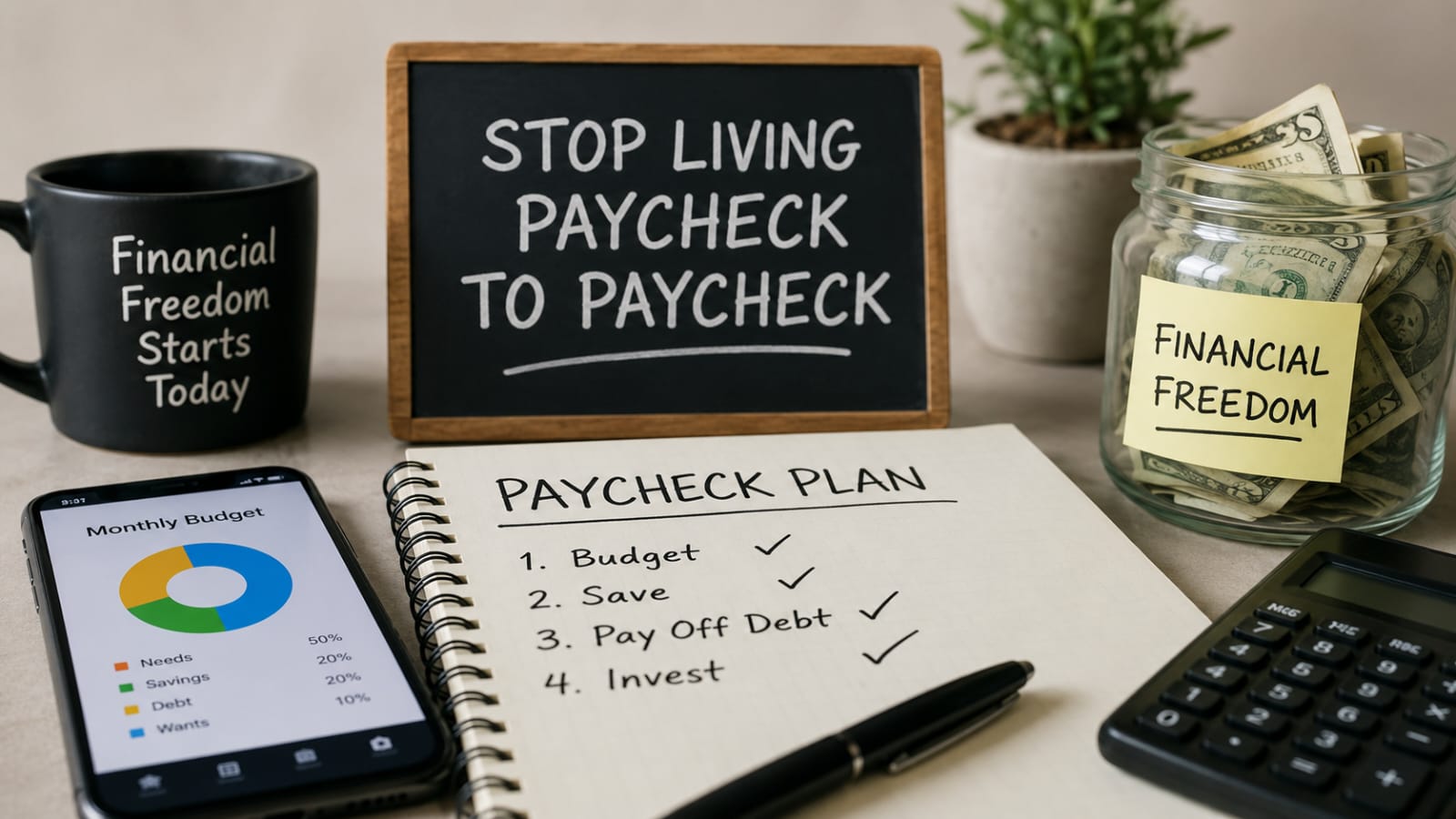
Living paycheck to paycheck is not just a money problem. It is a constant, low-level stress that follows you around, resurfacing every time a bill is due or an unexpected expense shows up before your next payday. The frustrating part is that this cycle can trap people at almost any income level, not just those earning very little.
The way out is rarely one dramatic change. It is a series of small, deliberate shifts that gradually create breathing room where there was none before. This guide walks through exactly how to break the cycle, step by step.
Why the Paycheck-to-Paycheck Cycle Is So Hard to Break
Understanding why this cycle persists makes it easier to escape.
There is no buffer. Without savings, every payday resets your account close to zero, meaning any timing mismatch between bills and income creates immediate stress.
Expenses expand to match income. As income grows, spending often grows right alongside it, a pattern known as lifestyle inflation, leaving no more breathing room than before.
Irregular expenses catch people off guard repeatedly. Annual costs, unexpected repairs, and seasonal expenses are often not planned for, so they arrive as “emergencies” every single time, even though they were entirely predictable.
Debt payments consume available income. High minimum payments on credit cards or loans can eat up a large share of each paycheck, leaving little room for anything else.
Step 1: Create a Full Picture of Your Money
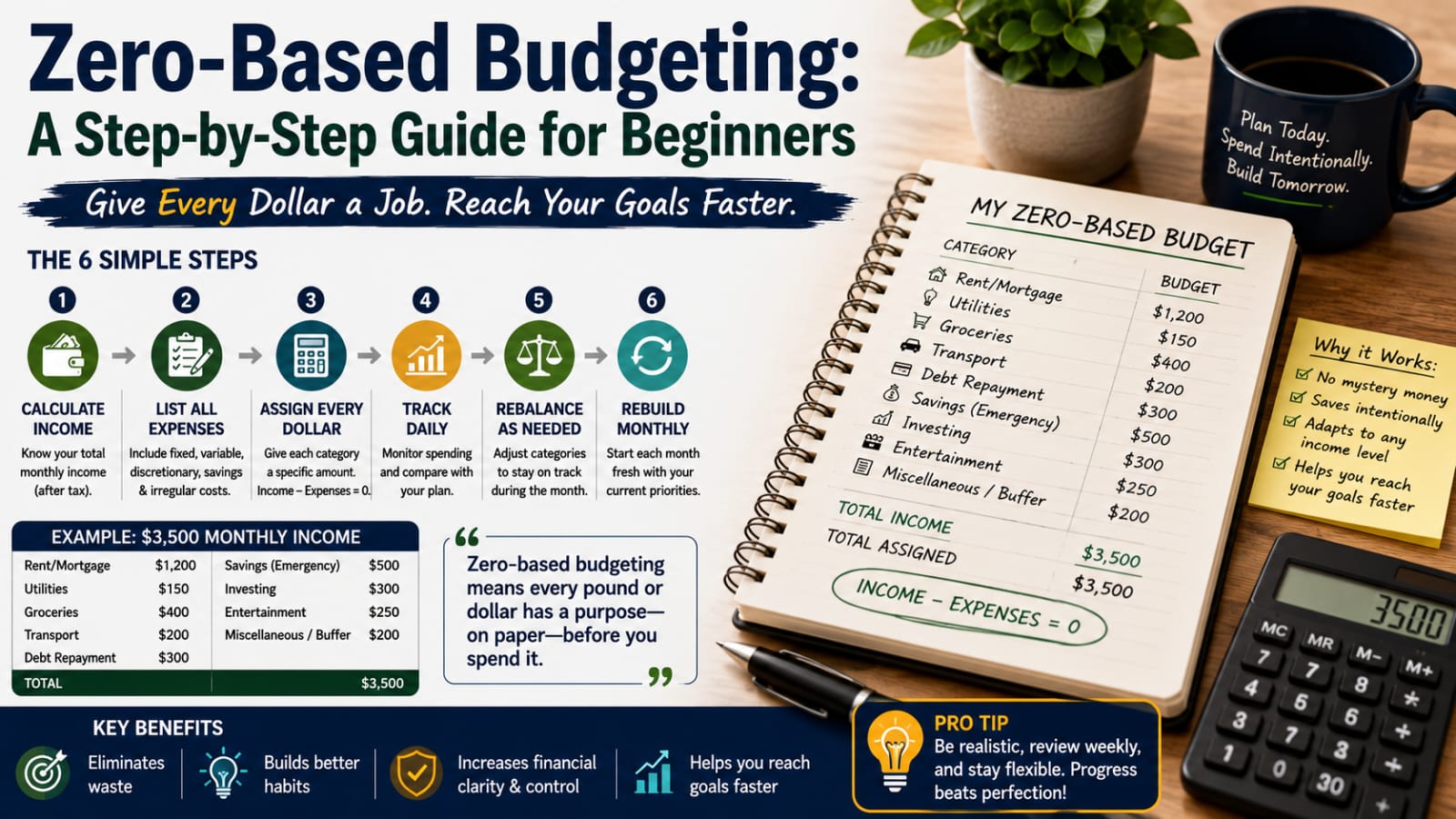
You cannot fix what you cannot see clearly. Spend one focused session reviewing the last two to three months of bank and card statements, listing every source of income and every expense, including small, easily forgotten ones like subscriptions or occasional convenience purchases.
This step alone often reveals at least one or two surprises, whether that is a forgotten subscription, a category of spending that is larger than assumed, or a bill that arrives less predictably than expected.
Step 2: Build a One-Week Buffer First
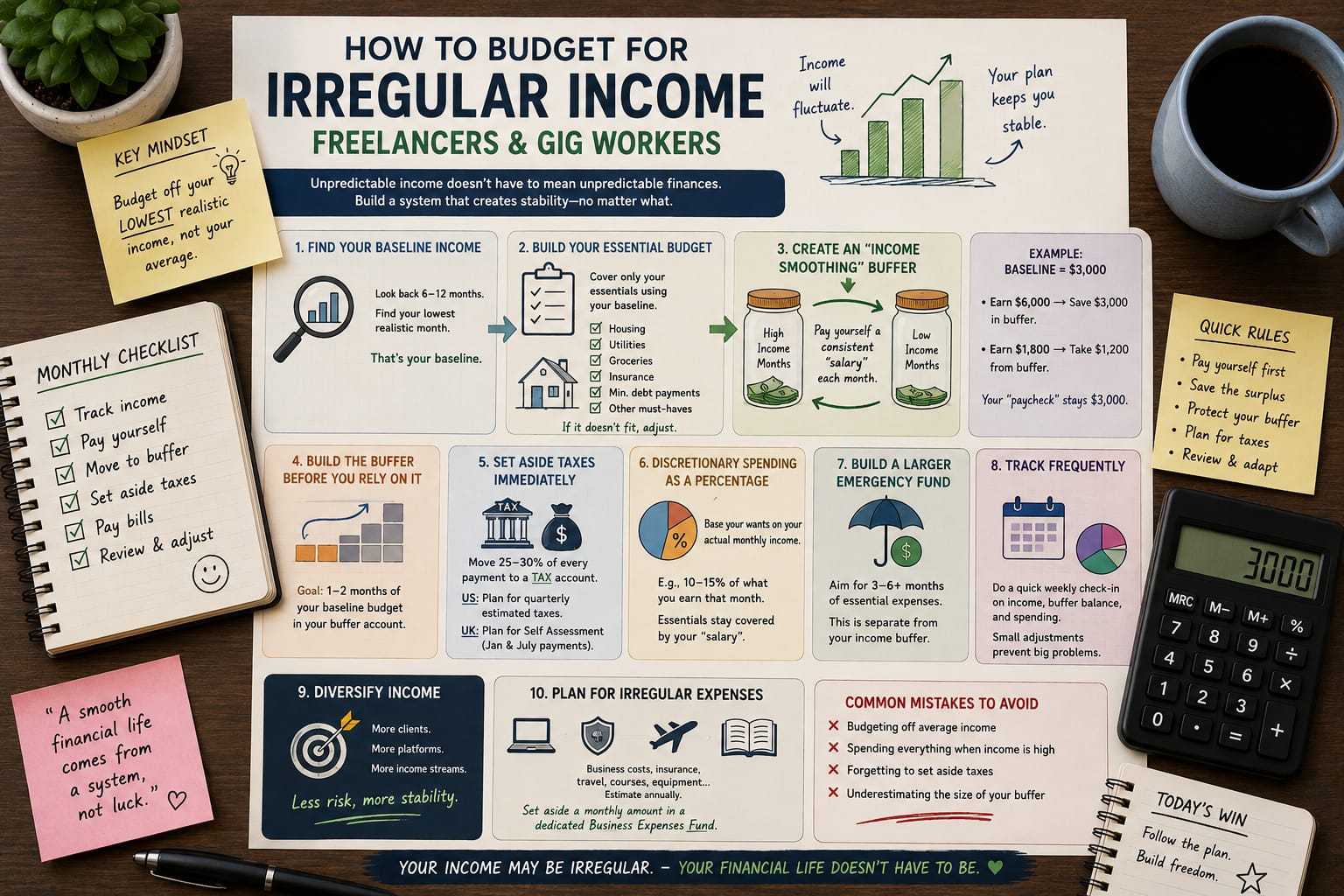
The single most effective structural change for breaking the paycheck-to-paycheck cycle is building enough of a buffer that you are living on last month’s income, rather than this month’s. This does not have to happen all at once.
Start with a small, achievable target: one week’s worth of essential expenses set aside in a separate account. Even this modest cushion begins to create breathing room between when bills are due and when your paycheck actually arrives, reducing the constant sense of financial tightness.
Step 3: Align Bill Due Dates With Payday
Many banks and service providers allow you to change your bill due dates. Aligning due dates as closely as possible with when income actually arrives reduces the awkward gaps where a bill is due days before your next paycheck lands.
Call your utility providers, phone company, and any lenders to ask about adjusting due dates. This single change costs nothing and can meaningfully reduce the sense of constantly juggling timing.
Step 4: Identify and Eliminate “Invisible” Recurring Costs
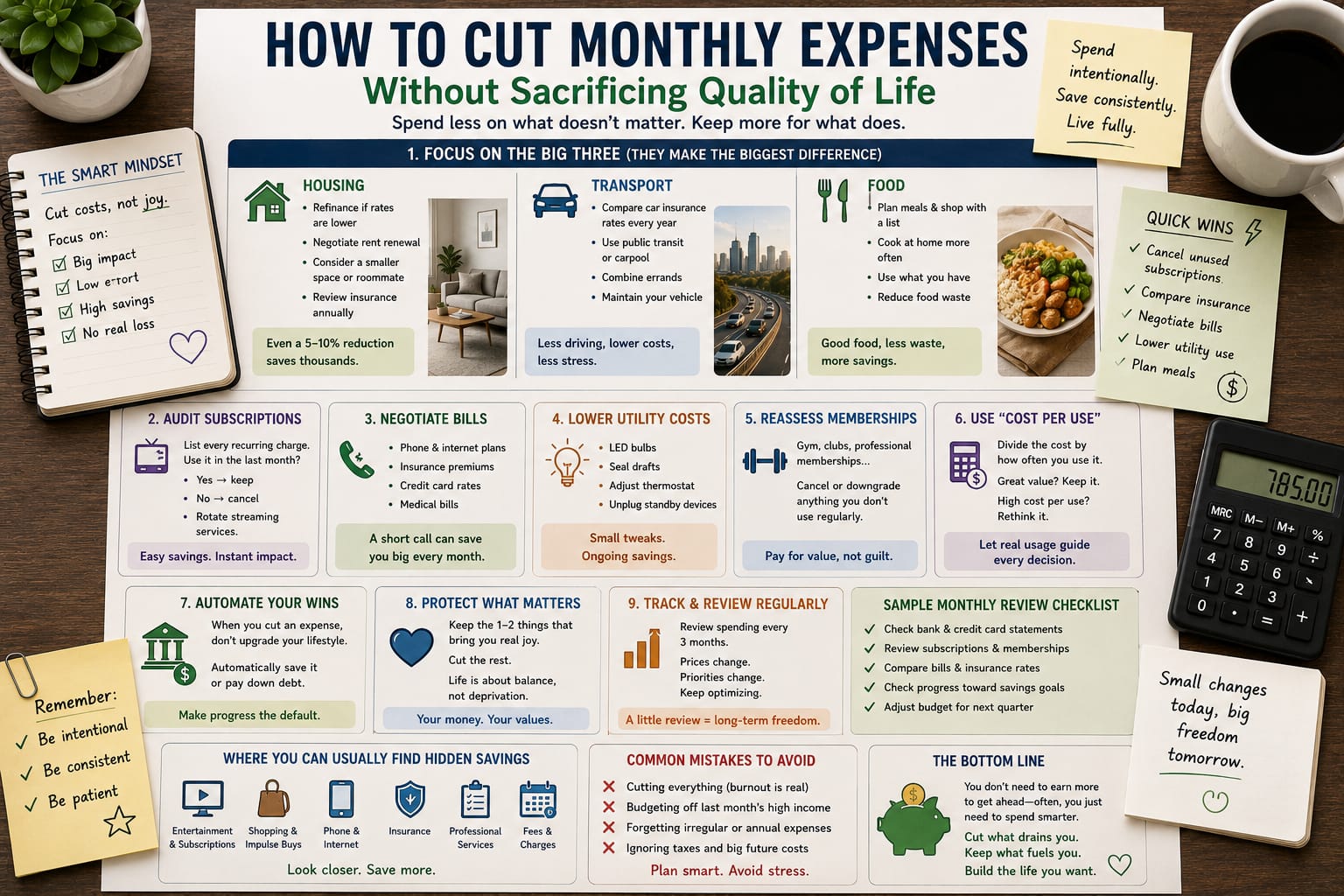
Recurring subscriptions and memberships are one of the most common hidden contributors to paycheck-to-paycheck living, precisely because they are automatic and easy to forget about entirely.
Go through your bank statement specifically looking for recurring charges: streaming services, app subscriptions, gym memberships, and similar costs. For each one, ask honestly whether you have used it meaningfully in the last month. Cancel anything that does not clearly earn its place in your budget.
Step 5: Address High-Interest Debt Directly
If a significant portion of your income goes toward minimum debt payments, particularly on high-interest credit cards, this is often a major contributor to the paycheck-to-paycheck cycle. Consider:
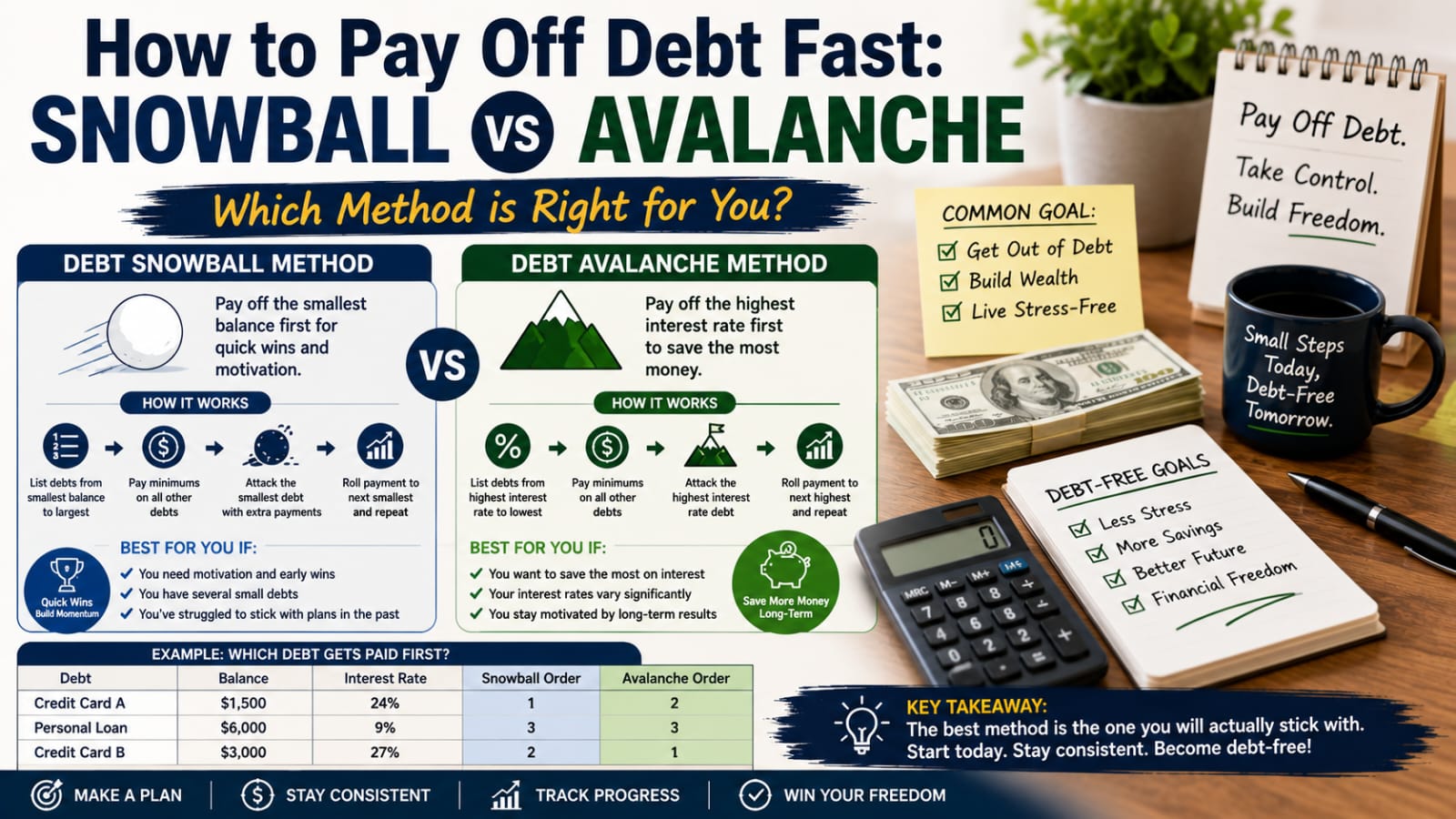
Prioritizing extra payments toward your highest-interest debt using the avalanche method, to reduce the total interest consuming your income over time.
Exploring a balance transfer or consolidation option if you have reasonable credit, which could lower your effective interest rate and free up more of each payment to reduce principal.
Contacting creditors directly to ask about hardship programs or reduced interest rates, particularly if you are struggling to keep up with current payments.
Step 6: Separate Needs From Wants Honestly
Breaking the paycheck-to-paycheck cycle usually requires an honest look at discretionary spending, not to eliminate it entirely, but to ensure it is intentional rather than automatic. This might mean setting a specific, realistic amount for dining out or entertainment each month, rather than spending reactively throughout the month without a clear limit.
The goal is not deprivation. It is making sure discretionary spending is a conscious choice within a plan, rather than the default reason there is nothing left before the next payday.
Step 7: Automate Savings the Moment Income Arrives
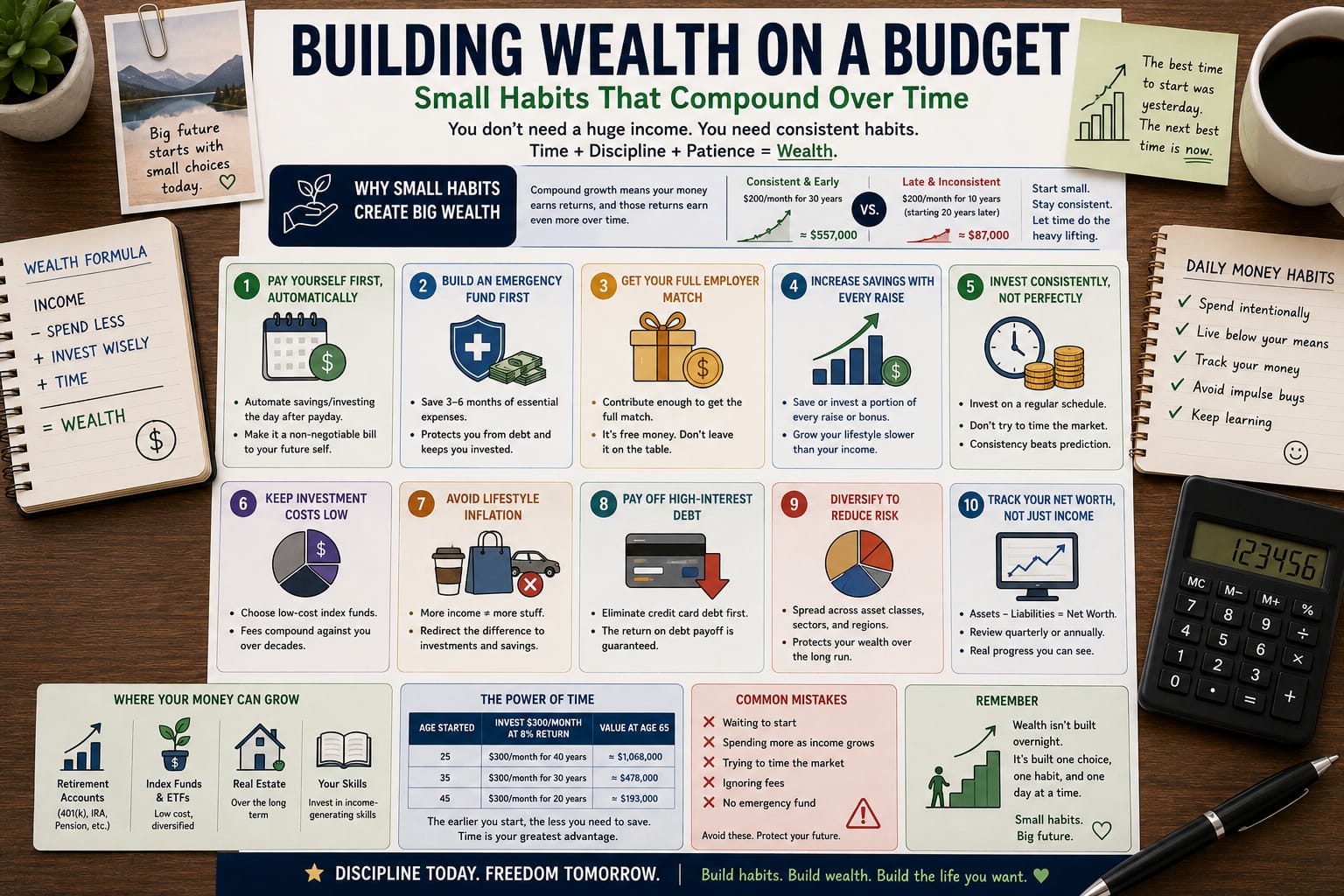
One of the most effective psychological shifts is treating savings as a bill you pay yourself first, immediately when income arrives, rather than something you do with whatever happens to be left over at the end of the month.
Even a small automatic transfer, such as $20 or £15 per payday, moving directly into a separate savings account the moment you get paid, removes the temptation to spend that money before you have a chance to set it aside intentionally.
Step 8: Plan for Irregular Expenses in Advance
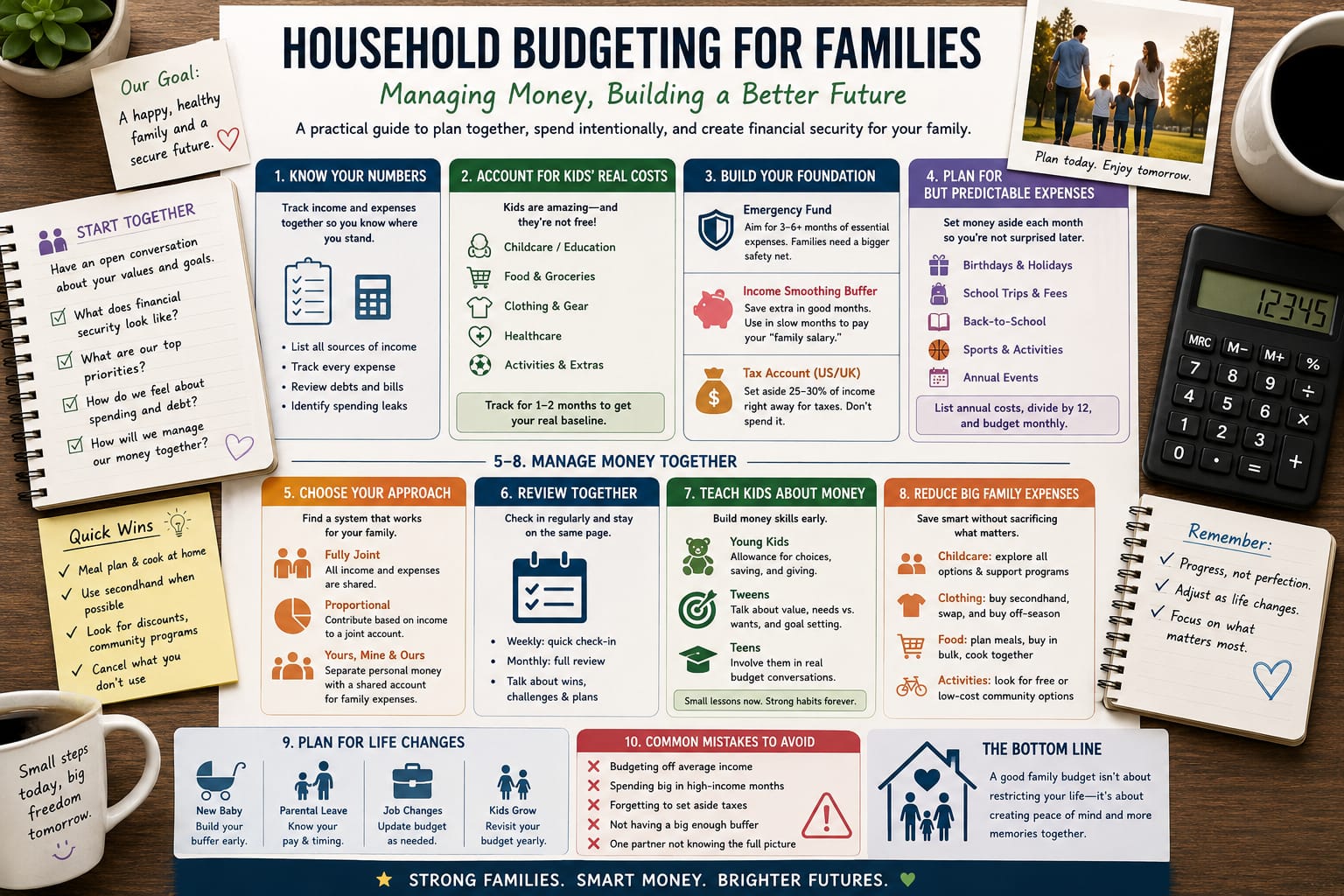
A huge portion of “unexpected” financial stress actually comes from entirely predictable expenses that were simply not planned for. Annual insurance renewals, birthdays, holidays, and seasonal costs happen every single year, yet they frequently arrive as a surprise that derails an otherwise stable budget.
List every irregular expense you can anticipate over the next twelve months, add up the total, divide by twelve, and set that amount aside each month in a dedicated fund. When these expenses arrive, the money is already waiting, rather than creating a fresh crisis each time.
Step 9: Increase Income Where Realistically Possible
While reducing expenses has real limits, particularly for those already living on a tight budget, increasing income has no fixed ceiling. Consider whether a raise negotiation is realistic based on your performance and circumstances, whether a side income stream using existing skills could add a meaningful amount each month, or whether unused items around your home could be sold for a one-time boost to your buffer fund.
Even a modest increase in income, redirected specifically toward building your buffer rather than absorbed into daily spending, can accelerate the transition out of the paycheck-to-paycheck cycle considerably.
Step 10: Track Progress and Adjust Without Guilt
Breaking this cycle rarely happens in a single dramatic month. It typically takes several months of consistent, small adjustments before the underlying stress genuinely eases. Track your progress, whether that is your buffer fund balance, your total debt, or simply the number of days between paydays where you feel financial pressure.
If a particular month does not go as planned, whether due to an unexpected expense or a moment of overspending, treat it as information rather than failure. Adjust the plan and continue forward, rather than abandoning the entire effort because one month did not go perfectly.
What to Expect as the Cycle Breaks
As your buffer grows and irregular expenses are planned for in advance, most people notice the sense of constant financial pressure easing well before their savings reach any traditionally recommended target like three to six months of expenses. Even a buffer of two to four weeks of essential expenses can meaningfully change the day-to-day experience of managing money, since it removes the immediate scramble that often accompanies every single bill or unexpected cost.
This is worth remembering during the early months, when progress might feel slow: the psychological relief often arrives well before the numbers look impressive by broader financial standards.
Final Thoughts
Breaking the paycheck-to-paycheck cycle is rarely about one big change. It is about a series of deliberate, compounding adjustments: building a small initial buffer, aligning bills with income, eliminating invisible recurring costs, addressing high-interest debt directly, and planning for irregular expenses well before they arrive as surprises.
None of this happens overnight, and that is completely normal. What matters is consistent progress in the right direction, gradually creating the breathing room that turns each payday from a moment of relief into simply another predictable part of a stable financial routine.
Frequently Asked Questions
How long does it typically take to break the paycheck-to-paycheck cycle? This varies widely based on income, expenses, and debt levels, but many people notice meaningful improvement within three to six months of consistent, deliberate changes, even before reaching larger savings milestones.
Is a full emergency fund necessary before I stop living paycheck to paycheck? No. Even a small buffer of one to two weeks of expenses can meaningfully reduce the stress of the cycle, well before reaching the traditionally recommended three-to-six-month emergency fund target.
Should I focus on debt payoff or building savings first? A balanced approach often works best: build a very small initial buffer first, then focus primarily on high-interest debt, while maintaining minimal ongoing contributions to your savings buffer.
What is the single most effective first step to break this cycle? Building a small initial cash buffer, even just one week of essential expenses, tends to have the most immediate impact on reducing the day-to-day stress associated with paycheck-to-paycheck living.
How to Stop Living Paycheck to Paycheck (Even If It Feels Impossible)



Leave a Reply