

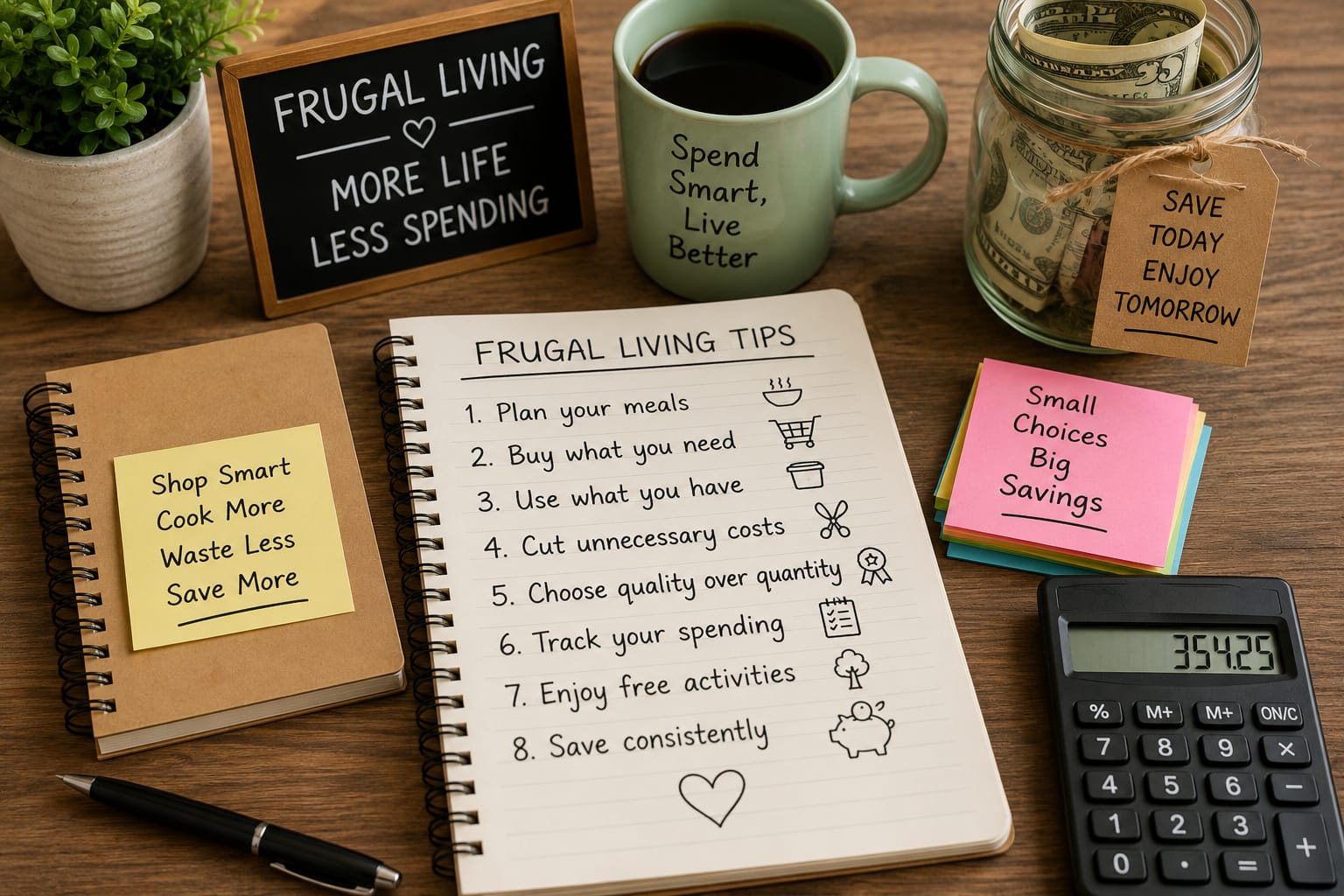
Frugal living has an image problem. For many people, the word conjures up images of deprivation: reusing tea bags, sitting in the dark to save on electricity, and turning every small joy into a guilt trip about money. That version of frugality is exhausting, and it rarely lasts.
Genuinely sustainable frugal living looks different. It is about being intentional with spending so that money flows toward what actually matters to you, while being trimmed away from things you barely notice losing. Done well, it does not feel like sacrifice. It feels like clarity.
The Mindset Shift That Makes Frugality Sustainable
Before any specific tip, the most important shift is moving from a scarcity mindset (“I can’t afford anything”) to a values-based mindset (“I am choosing to spend on what matters and cut what doesn’t”). This reframing changes frugality from a punishment into a deliberate strategy.
Ask yourself honestly: what genuinely brings you joy or value, and what do you spend on simply out of habit, convenience, or social pressure? Frugal living, done sustainably, protects the first category fiercely while ruthlessly trimming the second.
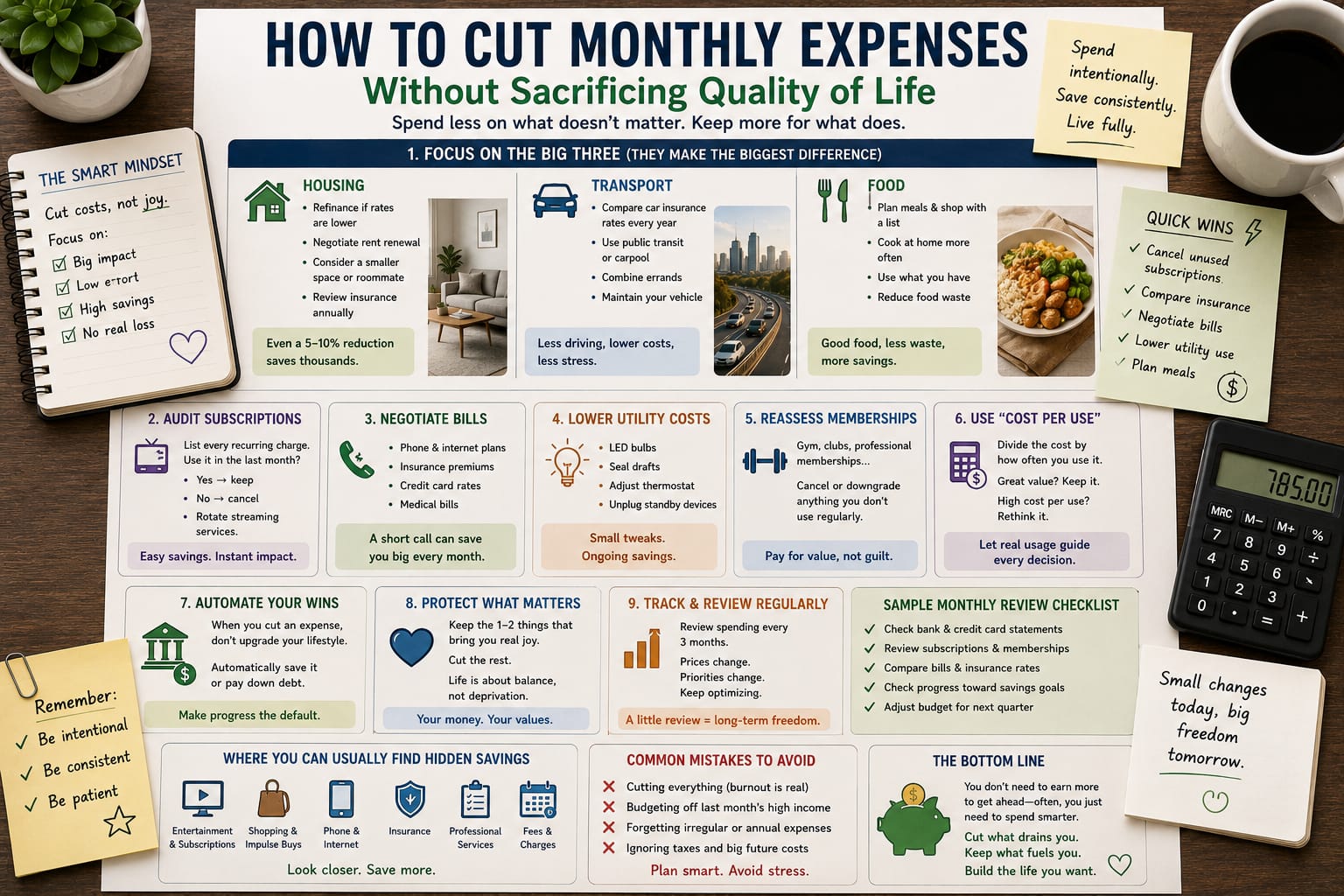
Audit Your Subscriptions Ruthlessly
Subscription creep is one of the quietest ways money disappears without any real feeling of sacrifice when it is finally cut. Streaming services, apps, meal kits, and membership programs accumulate over time, and many people are paying for services they have not meaningfully used in months.
Go through your bank statement and list every recurring charge. For each one, ask whether you have used it enough in the last month to justify its cost. Cancel anything that fails this test, and consider rotating streaming subscriptions rather than paying for several simultaneously, subscribing to one for a month, watching what you want, then switching to the next.
Rethink Grocery Shopping Without Sacrificing Quality
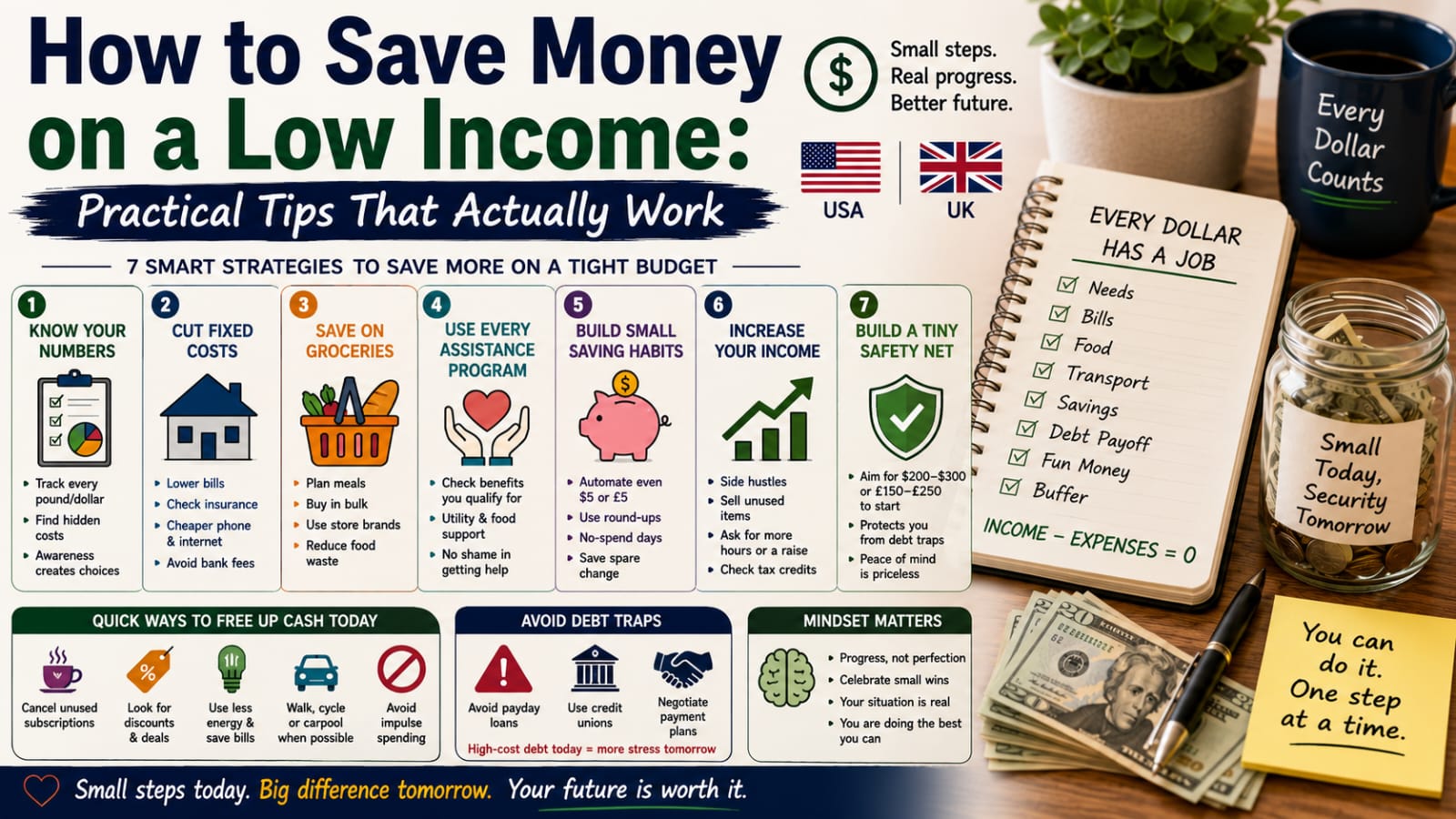
Groceries are one of the largest flexible categories in most budgets, and small changes here rarely feel like real sacrifice.
Plan meals around sales and what you already have, rather than deciding on a meal first and buying whatever it requires regardless of price.
Buy store-brand products for staples like flour, pasta, canned goods, and cleaning supplies, where quality differences are often minimal or nonexistent compared to name brands.
Cook in batches and freeze portions, which reduces the temptation toward expensive takeaway on busy days while barely changing your actual diet.
Shop with a list and stick to it, since impulse purchases in supermarkets are specifically designed to bypass planning through appealing packaging and strategic placement.
Embrace “Good Enough” Instead of “Best”
A significant amount of spending goes toward marginal upgrades that provide very little additional value: the newest phone model when last year’s works perfectly well, premium brand versions of products where the generic equivalent performs almost identically, or subscription tiers with features you never actually use.
Frugal living without sacrifice often means consciously choosing “good enough” over “best available,” reserving genuine premium spending for the small number of categories that truly matter to you personally, whether that is quality coffee, a particular hobby, or comfortable shoes for a job that requires standing all day.
Reduce Transport Costs Strategically
Transport is often one of the largest and most reducible expenses in a typical budget:
Combine errands into single trips to reduce fuel usage and time spent traveling.
Consider public transport or carpooling for regular commutes where feasible, which can be significantly cheaper than driving alone, particularly when accounting for parking, fuel, and vehicle wear.
Maintain your vehicle properly rather than deferring maintenance, since small, regular upkeep costs are almost always cheaper than the larger repairs that result from neglect.
Compare insurance rates annually, since loyalty rarely earns better rates, and switching providers periodically often reveals meaningful savings for identical coverage.
Make Your Home More Cost-Efficient
Small, one-time changes to your home can create ongoing savings without requiring any daily sacrifice or lifestyle change:
Switch to energy-efficient light bulbs if you have not already, since the reduced electricity cost typically pays back the small upfront investment within months.
Seal drafts around windows and doors, which reduces heating and cooling costs significantly in many homes without any change to daily comfort.
Unplug devices that draw standby power, or use a power strip to cut electricity to multiple devices at once when not in use.
Wash clothes in cold water where appropriate, which uses meaningfully less energy than hot water washing for most laundry loads.
Buy Secondhand for the Right Categories
Certain categories hold their value and function extremely well secondhand, making them ideal targets for frugal spending without any real quality sacrifice: furniture, books, certain electronics, and children’s clothing and toys, which are often barely used before being resold.
Other categories, like mattresses or certain safety equipment, are worth buying new for hygiene or safety reasons. Being selective about where secondhand makes sense, rather than avoiding it entirely or applying it indiscriminately, maximizes savings while avoiding genuine downsides.
Negotiate Before You Assume the Price Is Fixed
Many recurring bills are more negotiable than most people realize. Phone plans, internet service, insurance premiums, and even some subscription services will often offer a better rate to existing customers who simply call and ask, particularly if you mention considering a switch to a competitor.
This single habit, revisited once or twice a year across your major recurring bills, can uncover savings with essentially zero impact on your actual lifestyle or spending experience.
Build “Fun Money” Into Your Frugal Plan
Perhaps the most important tip for making frugality sustainable long-term: build a specific, guilt-free amount into your budget for things that bring you genuine enjoyment, whether that is dining out occasionally, a hobby, or small treats.
Frugal living that eliminates all discretionary joy tends to collapse eventually, often in a burst of frustrated overspending after weeks or months of feeling deprived. A modest, intentional “fun money” category prevents this by ensuring frugality feels like a sustainable choice rather than a temporary punishment.
Practice the 24-Hour Rule for Non-Essential Purchases
For any non-essential purchase above a certain threshold, whether that is $30, $50, or whatever feels meaningful in your budget, wait 24 hours (or longer for bigger purchases) before buying. This simple pause interrupts impulse spending driven by momentary emotion or clever marketing, while still allowing genuinely wanted purchases to go through once the initial impulse has settled.
Many people find that a significant percentage of items they almost bought impulsively no longer feel necessary after this short waiting period, representing real savings without any sense of restriction in the moment.
Find Free or Low-Cost Versions of Enjoyable Activities
Frugal living does not mean eliminating enjoyment; it often means finding lower-cost paths to the same experience. Free community events, library resources (including movies, books, and sometimes museum passes), hiking and outdoor activities, and potluck-style gatherings with friends can provide genuine enjoyment and social connection at a fraction of the cost of more expensive alternatives.
Track Your Progress to Reinforce the Habit
Frugal living becomes far easier to sustain when you can see tangible results. Track how much you are saving each month compared to previous spending patterns, and consider redirecting those savings toward a specific, motivating goal, whether that is an emergency fund, a holiday, or debt payoff. Seeing frugal choices translate into visible progress toward something you genuinely want makes the whole approach feel purposeful rather than restrictive.
Final Thoughts
Sustainable frugal living is not about depriving yourself of everything enjoyable. It is about being deliberate with spending, cutting the costs that provide little real value while protecting the ones that genuinely matter to you. Small, consistent changes across subscriptions, groceries, transport, and household efficiency add up to meaningful savings over time, without the burnout that comes from an all-or-nothing approach to cutting costs.
Choose a handful of these tips that genuinely fit your lifestyle rather than trying to implement everything at once, and build from there. Frugality that lasts is frugality that still leaves room for joy.
Frequently Asked Questions
Does frugal living mean never spending on anything enjoyable? No. Sustainable frugal living includes a deliberate, guilt-free amount for enjoyable spending, since eliminating all discretionary joy tends to lead to burnout and eventual overspending.
What is the easiest frugal habit to start with? Auditing and cancelling unused subscriptions is often the easiest starting point, since it requires a single review session and creates ongoing savings without any daily lifestyle change.
Is buying secondhand always the frugal choice? Not always. Secondhand makes sense for categories like furniture, books, and certain electronics, but new purchases are often better for items with hygiene or safety considerations, like mattresses.
How can I make frugal living feel sustainable long-term? Building in intentional “fun money,” tracking visible progress toward a specific goal, and focusing cuts on low-value spending rather than everything at once all help frugal living feel sustainable rather than restrictive.
Frugal Living Tips That Don’t Feel Like Sacrifice

Leave a Reply