
A lot of financial advice assumes you have room to cut back somewhere obvious, some hidden luxury quietly draining your account. But if you are living on a genuinely tight income, that advice can feel not just unhelpful but a little insulting. You already know exactly where every pound or dollar goes, because you have to.
This guide is not about lattes or avocado toast. It is about practical, realistic strategies for saving something, even a small amount, when your income is genuinely limited, along with a mindset shift that makes the whole process feel less discouraging.
Start With a Different Definition of “Saving”
On a low income, saving does not mean putting away 20% of your paycheck like some guides suggest. It means finding whatever small, sustainable amount you can, even if that is $10 or £10 a month to start. Small, consistent saving builds both a genuine financial cushion and an important habit, even before the numbers look impressive.
Comparing your situation to broader financial advice designed for average or above-average incomes will only create discouragement. The goal here is progress that fits your actual reality, not an arbitrary percentage that assumes flexibility you do not have.
Step 1: Get a Completely Honest Picture of Your Spending
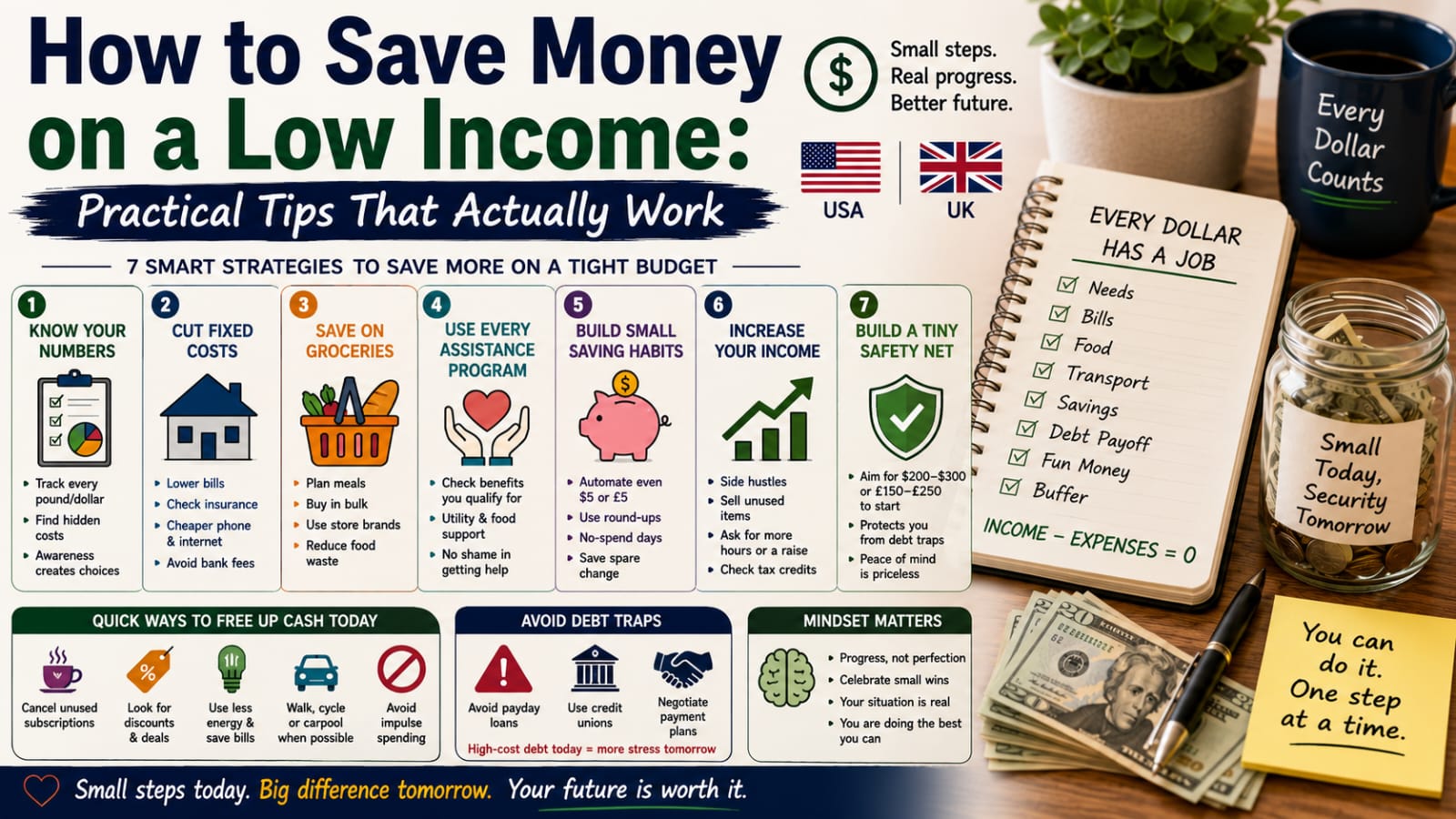
Before finding places to save, you need total clarity on where every pound or dollar currently goes. Go through the last one to two months of bank statements, however uncomfortable that might feel, and categorize every single transaction.
On a tight budget, small recurring costs matter enormously, since there is very little slack to absorb them. A $12 subscription that goes unused, a $5 bank fee, or a $3 daily convenience purchase might seem trivial individually, but together they can represent real, recoverable money.
Step 2: Attack Fixed Costs First
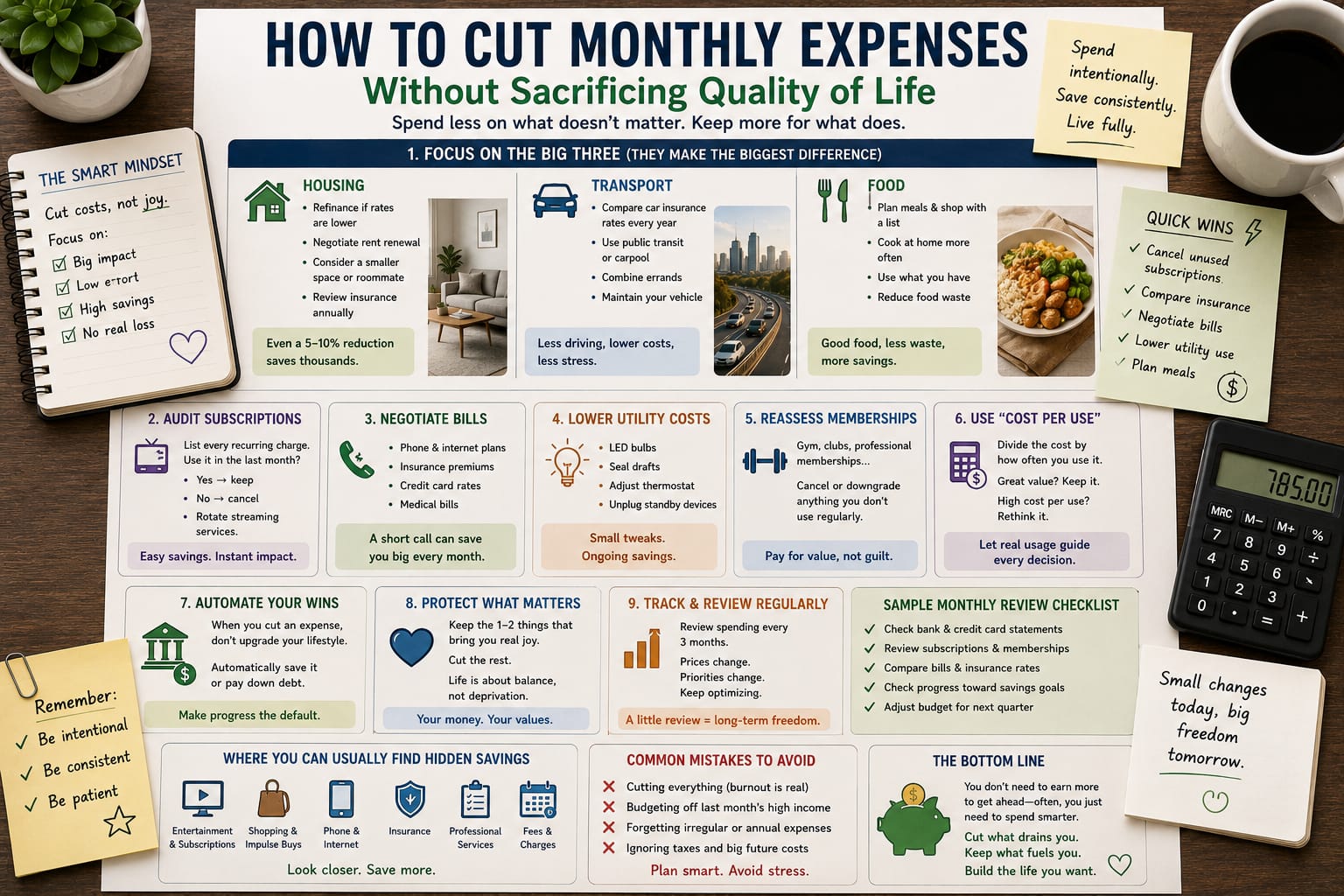
Fixed costs like rent, insurance, phone plans, and utilities typically make up the largest portion of a low income budget, so even small reductions here have an outsized impact compared to cutting occasional treats.
Phone and internet plans. Many providers offer lower-cost plans or promotional rates that existing customers do not automatically receive. A short call asking about current deals or threatening to switch providers can often result in a genuine discount.
Insurance. Shopping around for car, renters, or health insurance (where applicable) every year or two, rather than automatically renewing, frequently uncovers meaningful savings, sometimes hundreds of dollars or pounds annually.
Housing costs. If renting, look into whether a smaller unit, a different neighborhood, or a roommate arrangement could meaningfully reduce your largest expense. This is not always possible or desirable, but it is worth genuinely considering given how much weight housing carries in most budgets.
Bank fees. Many banks charge monthly maintenance fees that can be waived by meeting simple requirements like direct deposit or a minimum balance, or avoided entirely by switching to a fee-free account.
Step 3: Reduce Grocery Costs Without Sacrificing Nutrition
Food is one of the few flexible categories in most budgets, but cutting it carelessly can affect health and energy, which matters enormously when you are already managing financial stress.
Plan meals around what is on sale, rather than deciding on meals first and then paying whatever the ingredients cost.
Buy staple items in bulk when genuinely on sale and when you have the storage space, particularly for non-perishables like rice, pasta, and canned goods.
Reduce food waste by planning portions realistically and using leftovers deliberately, since wasted food is effectively wasted money.
Compare store-brand and name-brand products, since store brands are frequently identical or very similar in quality at a meaningfully lower price.
Limit convenience and pre-packaged foods, which typically carry a significant price premium compared to preparing the same meal from base ingredients.
Step 4: Use Every Available Assistance Program
There is no shame in using legitimate assistance programs designed exactly for situations like tight income budgets. In both the US and UK, various government and local programs exist for things like utility bill assistance, food support, housing benefit, childcare support, and healthcare cost reductions, depending on your specific circumstances and location.
Many people who could genuinely benefit from these programs never apply, either from not knowing they exist or from unnecessary hesitation. A short amount of research into what you may be eligible for can free up meaningful money elsewhere in your budget.
Step 5: Find Small, Consistent Ways to Save
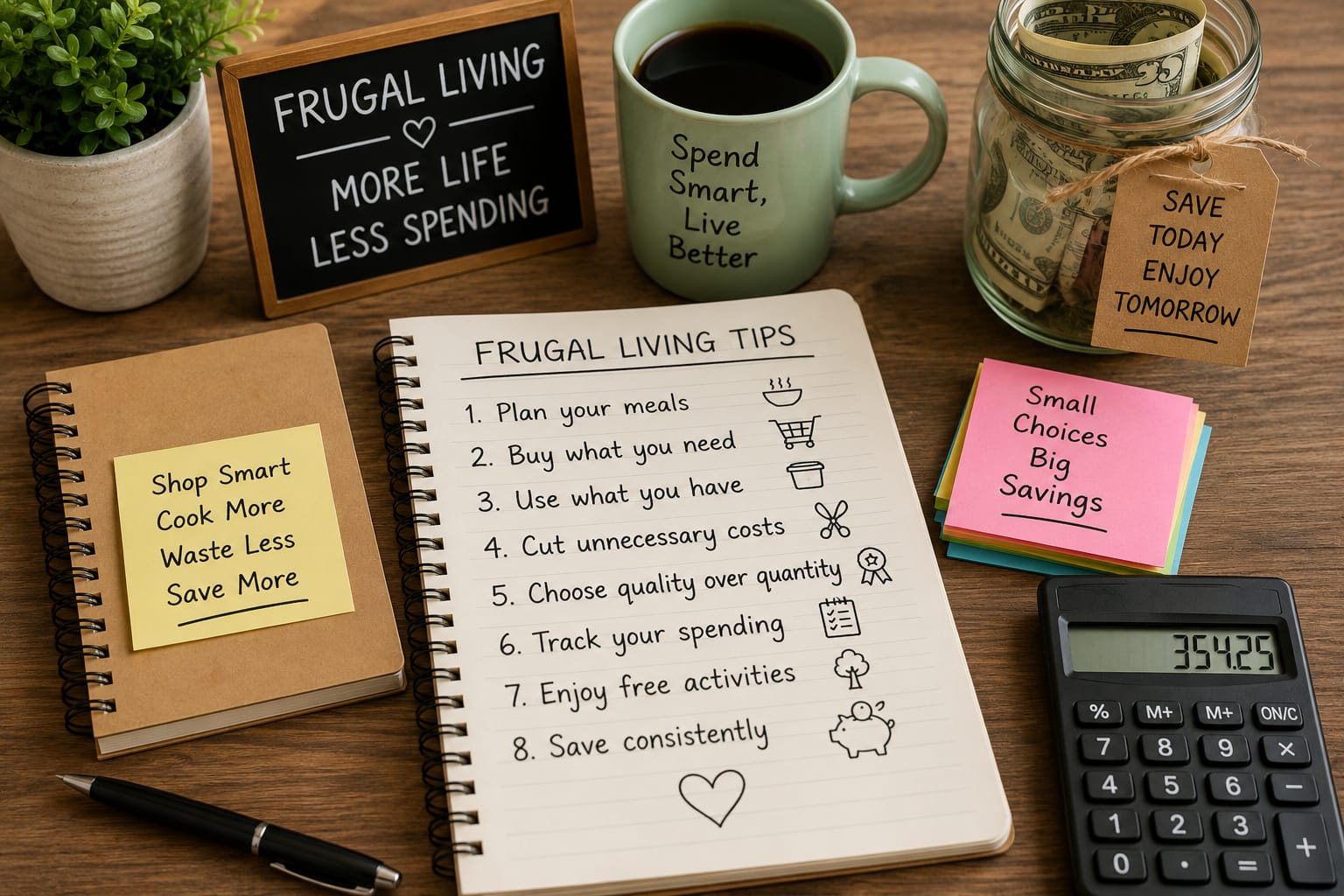
Once fixed costs and major categories are addressed, small consistent habits can add up over time without requiring dramatic sacrifice:
Round-up savings tools, which automatically round purchases to the nearest dollar or pound and save the difference, can build small amounts of savings passively without requiring active decision-making.
A dedicated “spare change” jar or account for any unexpected small windfalls, like cashback rewards or small refunds.
A no-spend day or two per week, deliberately avoiding any non-essential purchases, which both saves money directly and builds awareness of spending patterns.
Automating even a tiny transfer, such as $5 per payday, into a separate savings account, removes the need to remember or decide to save manually each time.
Step 6: Look for Ways to Increase Income, However Small
While cutting costs has real limits, especially on an already tight budget, increasing income has no theoretical ceiling. This does not have to mean a second full-time job, which is not realistic or sustainable for many people.
Selling unused items around the home, through resale apps or local marketplaces, can generate a genuine, one-time boost to savings.
Small freelance or gig work, even a few hours a week, based on existing skills can add meaningful extra income over time.
Asking about a raise or additional hours at current employment, if performance and circumstances support it.
Checking eligibility for tax credits or benefits you may not currently be claiming, which effectively increases available income without any additional work.
Step 7: Build a Tiny Emergency Fund First
On a low income, an emergency fund matters more, not less, because there is less room to absorb an unexpected expense without resorting to high-interest debt. Even a very small fund, $200-$300 or roughly £150-£250, can prevent a minor emergency from becoming a much larger, more expensive problem involving credit cards or payday loans.
Start with a tiny, specific target rather than the traditional three-to-six-month recommendation, which can feel completely out of reach and discouraging on a limited income. Progress toward a larger fund can come later, once the immediate buffer exists.
Avoiding High-Cost Debt Traps
Low income situations are unfortunately often targeted by high-cost lending products like payday loans, rent-to-own agreements, and certain credit products with extremely high effective interest rates. These can turn a temporary cash shortfall into a long-term, expensive debt cycle.
Before turning to these options, explore lower-cost alternatives first: a payment plan directly with a service provider, a local charity or community assistance program, or a small loan from a credit union, which typically offers significantly better terms than payday-style lenders.
The Psychological Side of Saving on a Low Income
It is worth acknowledging directly that saving on a low income is genuinely harder, both practically and emotionally, than saving on a higher income. Comparing your progress to unrealistic advice or to people with fundamentally different financial circumstances serves no useful purpose and can create unnecessary shame around money that is already stressful enough to manage.
Celebrate small wins genuinely. Saving your first $50 or £50 while managing a tight income is a real, meaningful achievement, even if broader financial advice treats such amounts as trivial. Progress that fits your actual circumstances is the only progress that matters.
Final Thoughts
Saving money on a low income requires a different approach than generic financial advice designed for more flexible budgets. It means starting with complete honesty about spending, prioritizing fixed cost reductions that have outsized impact, using every legitimate assistance program available, and building small, consistent saving habits rather than chasing an arbitrary percentage.
Progress may be slower than advice aimed at higher earners suggests, and that is completely fine. Every small amount saved, every fee avoided, and every fixed cost reduced adds up to genuine financial resilience over time, built specifically around your actual circumstances rather than someone else’s.
Frequently Asked Questions
How much should I save if I am on a low income? Start with whatever amount is genuinely sustainable, even $5-$10 a month, and focus on building the habit of consistent saving rather than hitting a specific percentage target designed for higher, more flexible incomes.
Is it worth using assistance programs to free up money for saving? Yes. Legitimate government and community assistance programs exist specifically to help with essential costs, and using them appropriately can free up money for savings or debt reduction without any downside.
Should I avoid payday loans even in an emergency? Generally yes, given their extremely high effective interest rates. Explore alternatives first, such as payment plans, community assistance, or credit union loans, which typically offer far better terms.
What is the fastest way to find extra money on a tight budget? Reviewing and reducing fixed costs, like phone plans, insurance, and bank fees, typically frees up more money with less ongoing effort than cutting small discretionary purchases.
How to Save Money on a Low Income: Practical Tips That Actually Work

Leave a Reply